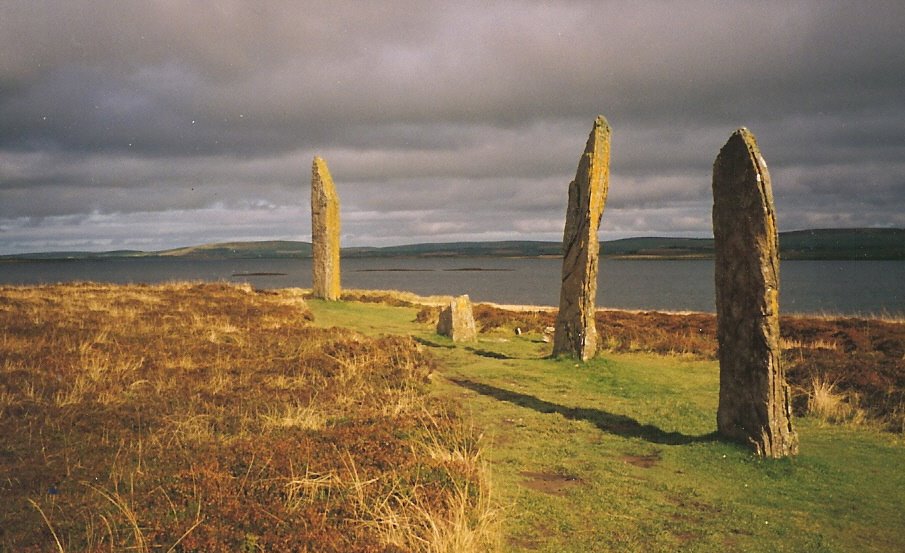
Ebudae: From Roman Maps
Hebrides is seen by some as an apparent scribe's misspelling from the more ancient "Ebudae" or "Haebudes" -- adding the r. But a look at the Roman source suggests that the R comes from the Viking name, incorporated. Suoregar and Haebudes or Ebudae.
Commercial sites can offer cultural information that the cultural sites miss. Find the translations of Enya songs from the album at ://www.pathname.com/enya/shepherd_moons.html/ The name Ebudae, according to that site, comes from the Latin, from old Roman maps .Enya, Shepherd Moons, Ebudae as Roman Name
Enya has a lovely, haunting song called "Ebudae" from the album Shepherd Moons (no, we get nothing for this approval of a nice song) at Enya, Ebudae, Youtube. Hear the lower tone drone.
Waulking songs:
Old Hebrides Culture: The Shepherd Moons site also identifies the song as a waulking song -- traditional to the western Hebrides, a song sung by women fulling cloth. Fulling is a beating of woven wool cloth in water so it shrinks and becomes felt.
Search for Gaelic waulking songs. "Orain Luadh" -- includes the fulling concept. Find them in Wales, Scotland, and for a historical, etymological overview, see Silicon Glen, Scotland, Waulking
================================================
- Note on comment requesting name of service I use for my blogs: I do not do paid endorsements, but forwarded your interest to the company, asking what information to put online.
- Mark responds: "I'm ok with email and the url. Please use mark@energizedit.com
- And site: http://www.energizedit.com/


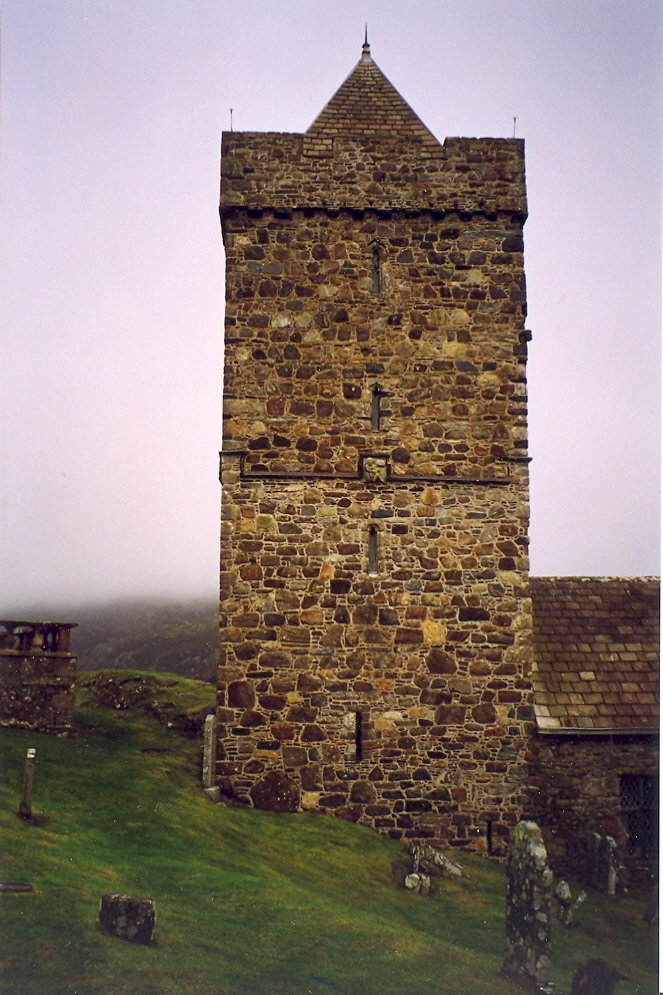 St. Clement's Church, Rodel, Harris
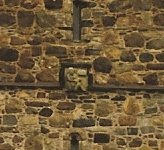 Sheelanagig, woman giving birth, tower at St. Clement's Church, Rodel, Harris, Hebrides
 Interior, St. Clement's Church, Harris, the Hebrides. Knight or royalty, tomb.
 Christ on Cross, Interior window, St. Clement's Church, Rodel, Harris, The Hebrides
 Headstones, vine-patterns, interior at St. Clement's Church, Rodel, Harris, The Hebrides